The following are a sample of some of the more frequently asked questions we receive concerning the benefits and pitfalls of cardio. For more detailed, in depth responses please contact us directly.
Definitely not! Excess cardio work will cause your body to become "overstressed", increasing the production of the stress hormone cortisol and can actually cause you to gain fat. We very rarely prescribe any traditional cardio work for our clients because of this reason.
That depends upon both the intensity and duration of the cardio and the individual exercising. Some of us have the endocrine profile and metabolisms that can undertake some form of energy systems work (our preferred term for cardio as the "cardio" we do is far different from standard treadmill jogging!) and still gain muscle. Others must always avoid excess activity outside the weights room if they want to gain even an ounce of muscular shape.
Performing cardio at a higher intensity (based upon your individual abilities) will allow one to burn more calories in less time. Additionally, high-intensity cardio exercise has been shown to increase metabolic rate for a longer period post exercise (via Excess Post Exercise Oxygen Consumption - EPOC) than lower intensity cardio.
No! Get some protein down you immediately – that should be your number one priority upon awakening regardless of your physical/athletic goals. The first 30 grammes of protein that you consume goes to support your immune system so it's vital that you consume protein as soon as possible. Furthermore when you awaken your body is in a fasting metabolic state and burning fewer calories per unit of time than usual. Consuming some food will perk your metabolic rate up (hence, the term breaking the fast). Additionally, being hungry can adversely affect your ability to work out at a high intensity and may cause weakness and dizziness and lead to early fatigue.
If meal preparation time is an issue, the use of a meal replacement drink/protein shake can be very helpful.
Have you ever seen a spinning teacher with chunky thighs? Think for a minute and then ask the question to yourself in a different way. "Have you ever seen a spinning teacher who did NOT have chunky thighs?"
If you use the spinning bike to excess, the body will adapt to the exercise by storing both intra muscular and subcutaneous fat in the hips and thighs in order to allow a more readily available source of fuel for the slower aerobic recovery periods. Remember, your body is a very smart and highly efficient machine – if it stores fat locally (in your legs) then it reduces the time that the energy substrates (fat) needs to reach the muscles to provide the energy source for exercise.
Afterwards. Always.
Aerobic work will hinder resistance training that follows it, whereas resistance training followed by cardio will lead to more depleted glycogen stores that will in turn, enable the body to more readily ultilse fatty acids for energy.
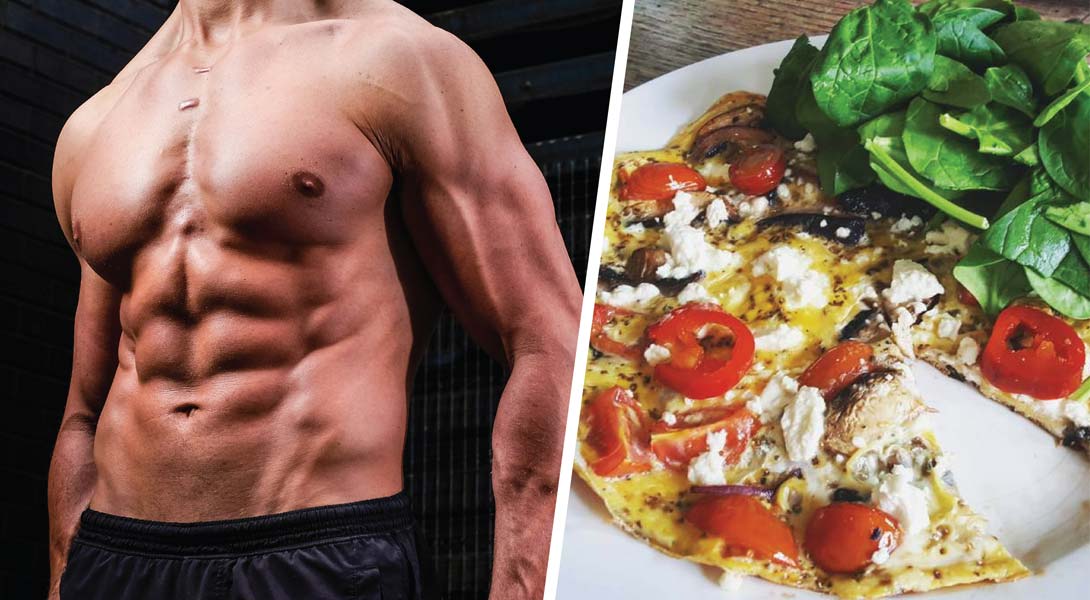
Your abdominal muscles can be exercised until you are blue in the face but they won't come through unless you are lean enough – approximately 10% body fat for a man and 15% for a woman. You need to look at your diet and overall energy systems training programme.
There is no one single "best exercise". However, you may find this article of relevance.
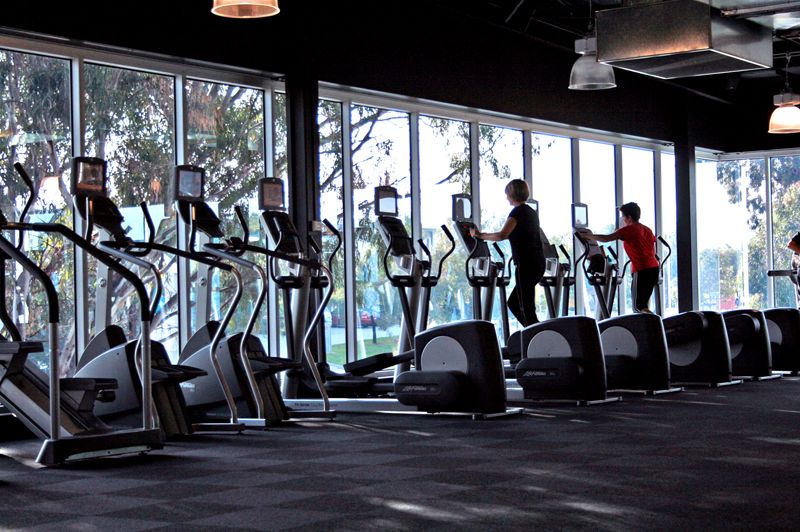
Most likely not. There are many factors that influence the number of calories that one expends during exercise, such as muscle mass, current physical condition and even genetic factors. The number displayed on the equipment tends to be (wildly) optimistic.